
Date of Birth
950
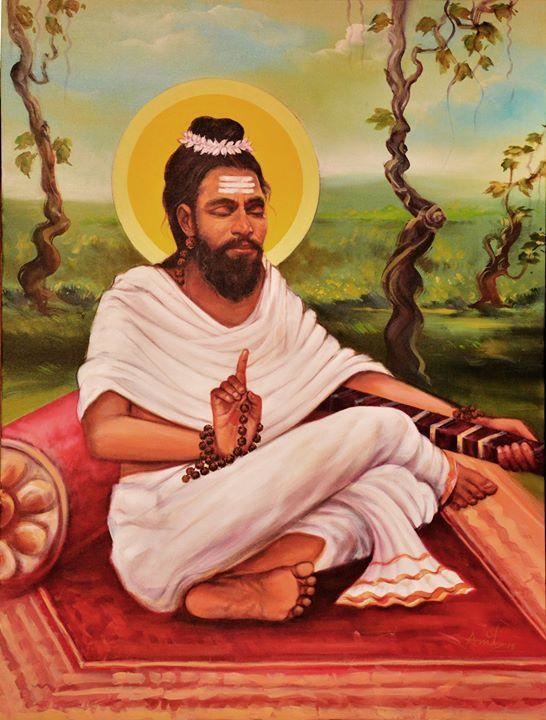
Abhinavagupta (c. 950 – 1016 CE)was a philosopher, mystic, and aesthetician from Kashmir. He was also considered an influential musician, poet, dramatist, exegete, theologian, and logician – a polymathic personality who exercised strong influences on Indian culture.
Abhinavagupta was born in a Kashmiri Brahmin family of scholars and mystics and studied all the schools of philosophy and art of his time under the guidance of as many as fifteen (or more) teachers gurus. In his long life, he completed over 35 works, the largest and most famous of Tantrāloka, a comprehensive treatise on all the philosophical and practical aspects of Kaula and Trika (known today as Kashmir Shaivism). Another one of his significant contributions was in the field of philosophy of aesthetics with his famous Abhinavabhāratī commentary of Nāṭyaśāstra of Bharata Muni.
950
Kashmir
Abhinavagupta (c. 950 – 1016 CE)was a philosopher, mystic, and aesthetician from Kashmir. He was also considered an influential musician, poet, dramatist, exegete, theologian, and logician – a polymathic personality who exercised strong influences on Indian culture.
Abhinavagupta was born in a Kashmiri Brahmin family of scholars and mystics and studied all the schools of philosophy and art of his time under the guidance of as many as fifteen (or more) teachers gurus. In his long life, he completed over 35 works, the largest and most famous of Tantrāloka, a comprehensive treatise on all the philosophical and practical aspects of Kaula and Trika (known today as Kashmir Shaivism). Another one of his significant contributions was in the field of philosophy of aesthetics with his famous Abhinavabhāratī commentary of Nāṭyaśāstra of Bharata Muni.
Tantraloka, Tantrasara
Kashmir
India
Philosophy is an elaboration of different kinds of experiences. The abstractions of high-grade metaphysics are based on spiritual experience and derive their whole value from the experiences they symbolize.


Add a comment