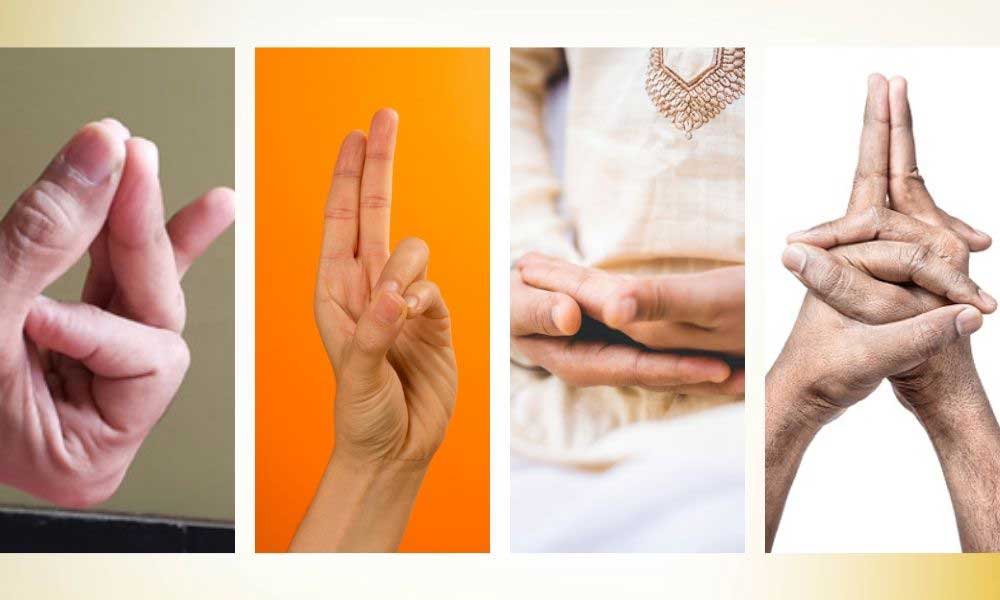
Yoga Practice Name
Nasikagra Mudra
Nasikagra Mudra
Nasikagra literally means the tip of the nose. In yogic practices, it refers to the focus on the tip of the nose, which is a key point in many breathing techniques (pranayama) and meditation practices. The term also represents the area where subtle sensations, like the flow of breath, can be felt during specific yoga practices.
Nasikagra refers to the concentration on the tip of the nose, especially during pranayama practices such as Anulom Vilom (Alternate Nostril Breathing) and Nadi Shodhana (Nadi Purification). It is an important focal point for developing awareness of the breath and calming the mind. In meditation, focusing on the Nasikagra helps practitioners center their attention, deepen their concentration, and enhance the flow of energy throughout the body.
1. Enhances Concentration and Focus: Nasikagra sharpens the mind by improving mental focus and concentration. The practice encourages mindfulness and helps practitioners tune out distractions, making it an excellent tool for meditation and mental clarity.
4. Harmonizes the Mind and Body: By concentrating on the tip of the nose, the practice establishes a deeper connection between the mind and body. This connection helps balance the energetic flow (prana) through the nadis (energy channels), promoting mental clarity, emotional stability, and physical vitality.
6. Balances the Energies: Focusing on the tip of the nose can help balance the left and right nostrils (representing the Ida and Pingala nadis). This balancing of energies can lead to a sense of harmony and equanimity.
7. Reduces Mental Fatigue: The practice of Nasikagra reduces the mental clutter and helps focus the mind on a single, calming point. This improves mental clarity and reduces feelings of mental fatigue or overload.
8. Improves Self-Awareness: With regular practice, Nasikagra helps develop a heightened sense of self-awareness, allowing practitioners to observe their breath and internal states with more precision. It encourages a deeper understanding of one’s thoughts, emotions, and energetic patterns.
5. Glaucoma or Eye Conditions: Individuals with glaucoma, retinal issues, or post-eye surgery recovery should avoid sustained focus that may cause intraocular pressure or tension in the eyes.
6. During Acute Illness or Fatigue: Avoid the practice when suffering from fever, severe fatigue, or any acute physical condition, as it may be hard to maintain focus and proper posture.
10. Gradual Progression: Over time, try to increase your awareness and concentration at the tip of your nose. You can experiment with moving from Nasikagra to deeper meditation practices, where you focus on subtle sensations throughout your body.